
Leading Products For Effective Wood Floor Sealing Solutions
Explore high-quality sealing options that provide reliable protection and maintain the beauty of your wood floors.
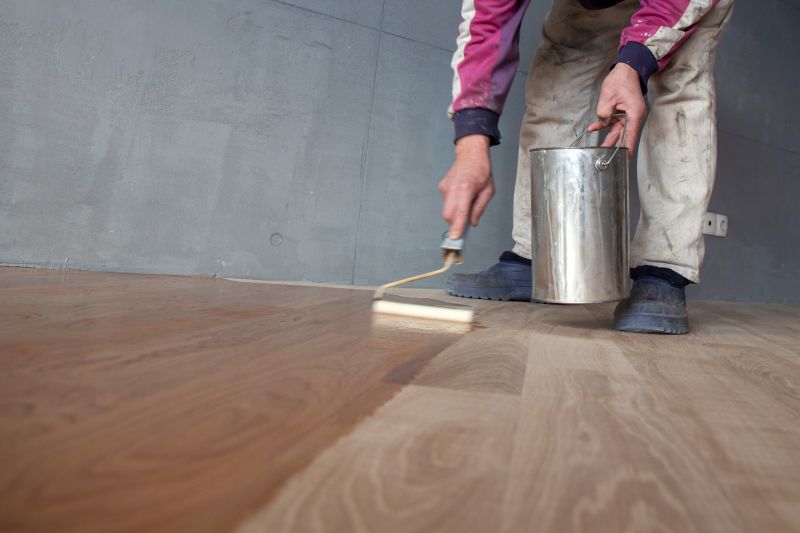 Choosing the right products for wood floor sealing is essential for maintaining the appearance and longevity of hardwood surfaces. Proper sealing helps protect the wood from moisture, stains, and daily wear and tear, ensuring that the floor retains its beauty over time. There are various types of sealing products available, each suited to different needs and preferences, whether you're aiming for a matte, semi-gloss, or high-gloss finish. Understanding the differences between these products can help you make an informed decision tailored to your specific flooring requirements.
Top Overall Option
Universal Wood Floor Sealant
The Universal Wood Floor Sealant offers a versatile and user-friendly option suitable for a variety of wood types and finishes. It provides a clear, protective coating that enhances the natural beauty of the wood while offering resistance to moisture and wear. Designed for ease of application, this sealant can be used on both new and existing hardwood floors, making it a convenient choice for DIY projects and professional refinishing alike.
Types of Products For Wood Floor Sealings
Water-Based Polyurethane
A popular choice for its quick drying time and low odor, water-based polyurethane provides a clear finish that resists scratches and stains.
Oil-Based Polyurethane
Known for its durability and warm finish, oil-based polyurethane offers a traditional look with enhanced protection.
Aluminum Oxide Finish
Often used in commercial settings, this finish provides a tough, long-lasting protective coating suitable for high-traffic areas.
Penetrating Oil Sealer
This product soaks into the wood to provide deep protection and enhance the natural grain without forming a film on the surface.
Wax Finish
A traditional option that adds a soft sheen and smooth feel, wax finishes require regular reapplication for maintenance.
Penetrating Sealer with Hardener
Designed for maximum durability, this sealer penetrates deeply and hardens within the wood fibers for enhanced resistance.
Acrylic Sealer
An easy-to-apply sealer that provides a transparent protective layer, ideal for light-colored woods.
Polycrylic Coating
A water-based alternative that offers a clear, durable finish suitable for indoor wood surfaces.
Epoxy Sealant
Known for its strong adhesion and chemical resistance, epoxy sealants are often used in industrial or high-durability applications.
Moisture-Cure Urethane
This type of sealant reacts with moisture in the air to form a tough, protective layer, suitable for areas with high humidity.
Hybrid Sealers
Combining features of different sealants, hybrid options aim to offer a balance of durability, ease of use, and appearance.
Silane/Siloxane Sealers
These penetrate deeply to provide water repellency without forming a surface film, suitable for outdoor or exposed floors.
Popular Choices
Favored for its quick drying and low odor, this finish is often chosen for residential projects.
A traditional option appreciated for its warm tone and durability in high-traffic areas.
A clear, easy-to-apply sealer that enhances the natural look of wood while providing protection.
A water-based finish that dries quickly and offers a durable, transparent layer.
Popular for its natural look and deep protection, especially for rustic or antique wood floors.
Provides a soft sheen and smooth feel, often used for decorative or low-traffic areas.
Common in commercial settings, this finish offers long-lasting protection against wear.
Used where high durability and chemical resistance are needed, such as in garages or workshops.
Suitable for humid environments, providing a tough, moisture-resistant coating.
Versatile options that combine features for specific needs, balancing ease of use and protection.
Ideal for outdoor or exposed floors, offering water repellency without a surface film.
Applying a wood floor sealant involves careful preparation, including cleaning and sometimes sanding the surface to ensure optimal adhesion. The application process varies depending on the product type, with some requiring multiple coats for complete coverage. It's important to follow manufacturer instructions closely to achieve the best results and avoid issues such as streaks, bubbles, or uneven coverage. Regular maintenance and reapplication can extend the life of the seal and keep your floors looking their best.
When selecting a sealing product, consider the type of wood, the level of foot traffic, and the desired appearance. Some products are designed for high-traffic areas, offering enhanced durability, while others focus on enhancing the natural beauty of the wood grain. Compatibility with existing finishes is also an important factor, especially if you are refinishing or updating an older floor. Proper selection and application can help preserve your wood floors and reduce the need for costly repairs or replacements in the future.
Overall, investing in quality wood floor sealing products can significantly impact the longevity and aesthetic appeal of your hardwood surfaces. Whether you are sealing new floors or restoring older ones, choosing the right product and applying it correctly are key steps toward achieving a professional-looking finish that protects your investment for years to come.
Key Buying Considerations
- Type of finish desired (matte, semi-gloss, high-gloss).
- Durability requirements based on foot traffic and usage.
- Compatibility with existing finishes or coatings.
- Application method preferences (brush, roller, spray).
- Drying time and recoat intervals for efficient project completion.
- Ease of application and clean-up for DIY projects.
- Level of odor and VOC emissions, especially for indoor use.
- Water or moisture resistance needs, particularly for basements or bathrooms.
- Environmental conditions during application, such as temperature and humidity.
- Long-term maintenance and reapplication frequency.
- Cost considerations balanced with product performance.
- Compatibility with specific wood types or finishes.
- Desired appearance and sheen level.
- Resistance to scratches, stains, and chemicals.
- Availability of the product in local stores or online.